Beyond Calcium: Building Strong Bones After 40
Strong bones help preserve mobility, independence, balance and quality of life as we age.

When you think about longevity, the focus is often on heart health, brain function, muscle mass or metabolic wellness. Yet one of the most important, and often overlooked, factors in healthy aging is bone health. Strong bones help preserve mobility, independence, balance and quality of life as we age. In fact, maintaining healthy bones may be one of the most effective ways to support both your lifespan and health span. Bone is not a static structure. It is living, dynamic tissue that is constantly being broken down and rebuilt. This process works efficiently when you're young, but as you age, especially for women after menopause, bone breakdown often begins to outpace bone formation. Fortunately, many of the foundational habits that support metabolic health, like adequate protein intake, nutrient-dense foods, strength training, quality sleep, and healthy weight management, may also support healthy bones.
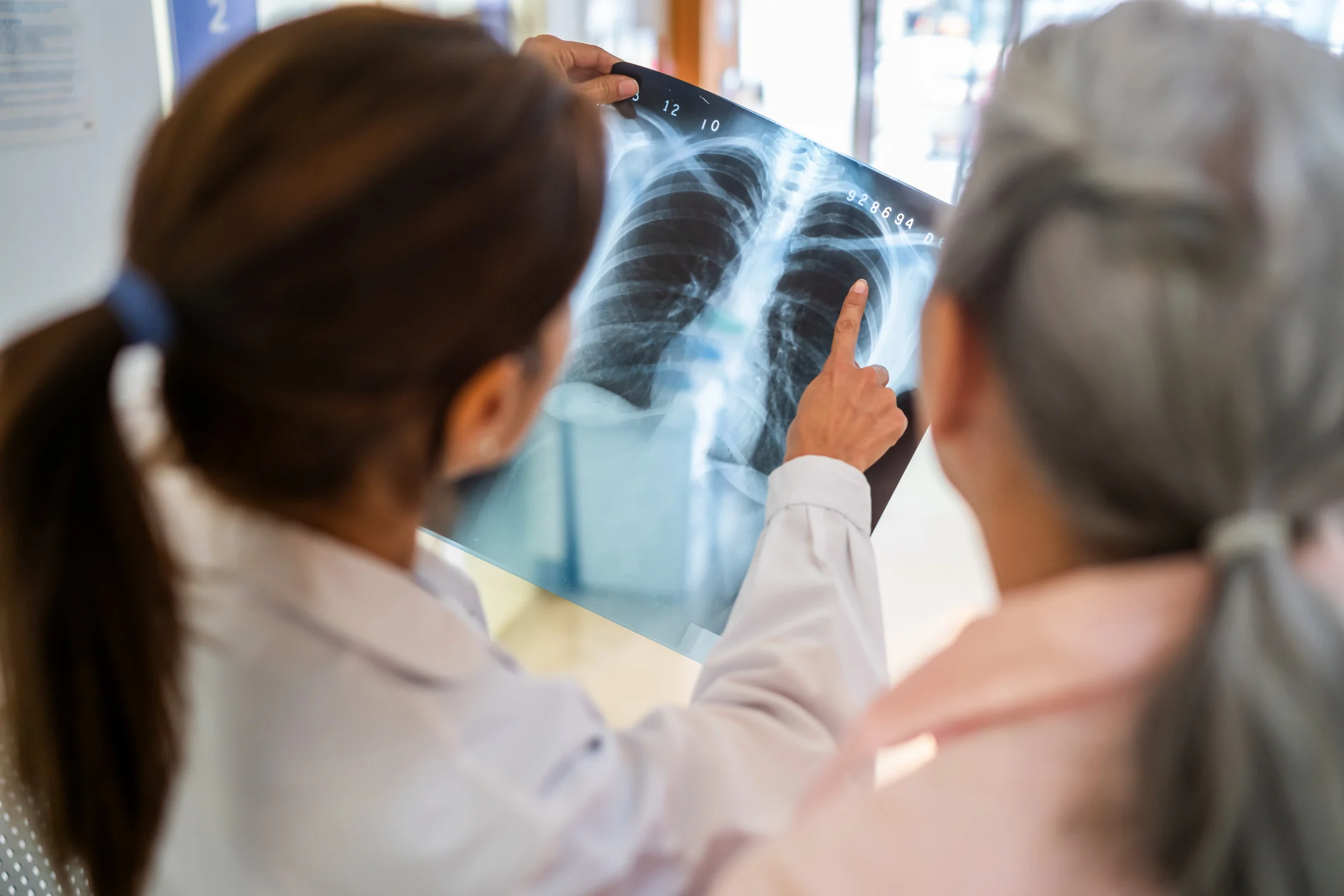
Understanding Peak Bone Mass
Both men and women achieve peak bone mass, the point at which bones reach their maximum strength and density, between approximately ages 25 and 30. Genetics plays a major role, but lifestyle factors such as nutrition, physical activity and overall health significantly influence whether you reach your full bone-building potential.
Women typically achieve peak bone density earlier in life than men and naturally have thinner, smaller bones. Men generally have larger skeletons and accumulate more calcium during development, which means they tend to have higher peak bone mass. However, after age 40, bone density gradually declines in both sexes. The decline becomes much more pronounced in women after menopause.
For women, estrogen plays a critical role in maintaining the balance between bone breakdown and bone rebuilding. When estrogen levels drop sharply during menopause, bone loss accelerates. According to the Bone Health & Osteoporosis Foundation (BHOF), women may lose up to 20% of their bone density during the five to seven years following menopause, making this a critical window for protecting long-term bone health.
Why Bone Health Matters for Longevity
Osteoporosis is often called a "silent disease" because bone loss occurs without symptoms until a fracture happens, and a hip fracture, vertebral fracture or fall-related injury may dramatically reduce independence and quality of life. Strong bones are essential for:
- Maintaining mobility and physical function
- Reducing fall and fracture risk
- Supporting balance and posture
- Preserving independence with aging
- Maintaining an active lifestyle
Because routine bone density screening is typically recommended beginning at age 65 for most women, many people don't realize they are losing bone until a significant decline has already occurred. Understanding your risk factors earlier can help you take proactive steps to preserve your bone density.
Know Your Risk Factors
Of the estimated 10 million Americans with osteoporosis, about eight million, or 80%, are women. Several factors may increase your risk, including:
- Family history of osteoporosis (your father's bone health matters as much as your mother's)
- Early menopause (before age 45)
- Low body weight or low BMI
- Sedentary lifestyle
- Inadequate protein intake
- Restrictive dieting
- Smoking
- Excess alcohol consumption
- Autoimmune conditions such as rheumatoid arthritis
- Long-term corticosteroid use for asthma, eczema or arthritis
- Rapid weight loss
The growing use of GLP-1 medications adds an interesting layer to the conversation about bone health. While these medications help with weight loss and metabolic health, rapid weight loss and muscle loss may negatively affect your bone health unless you prioritize nutrition and resistance training.
The Role of Hormone-Replacement Therapy and Bone Health
A recent study recruited 400 postmenopausal women, a third of whom were on hormone-replacement therapy (HRT). The women received bone mineral density scans and tests measured their vitamin D levels. The results suggested that the women who were on HRT were 69% less likely to have low bone mineral density. The study did have some limitations, as the women’s bone density was only measured once, it did not indicate how long women had been taking HRT or whether they also strength trained. But this research suggests that HRT may support bone health, especially as estrogen levels decline.
The Protein Connection: Why It Matters for Bone Health
Many people associate bone health with calcium, but adequate protein intake is just as important. It provides the structure that helps your bones stay strong and supports the minerals needed for bone density. This is one area where your favorite low carb foods really shine. High-quality protein foods such as meat, poultry, fish, tofu, eggs and dairy products provide essential amino acids and other nutrients needed for both muscle and bone health. A recent article in Frontiers in Nutrition suggests that older adults benefit from higher protein intakes to preserve lean mass and support healthy aging, which is also a bonus for bone health.
Calcium Is Important—But It's Not the Whole Story
Many people assume calcium supplements alone will solve bone loss. Unfortunately, bone health is more complex. Calcium works best when combined with other key nutrients, including:
Vitamin DVitamin D helps your body absorb calcium and supports normal bone remodeling. Without adequate vitamin D, calcium absorption declines significantly.
Vitamin K2 Vitamin K2 helps direct calcium into bones and teeth rather than allowing it to accumulate in soft tissues and arteries.
Magnesium Magnesium plays a role in vitamin D metabolism and bone mineralization.
Foods for Supporting Bone Health
Bone-supportive foods include:
- Sardines with bones
- Canned salmon with bones
- Full-fat Greek yogurt
- Cheese
- Cottage cheese
- Unsweetened kefir
- Tofu made with calcium sulfate
- Leafy greens such as kale, bok choy, collards and turnip greens
- Almonds
- Chia seeds
- Flaxseeds
Recipes for Supporting Bone Health
These recipes contain a variety of bone-supportive foods:
Strength Training: The Most Powerful Tool for Bone Health
One of the most important concepts in bone health is this: If you don't use it, you can lose it. Your bones respond to stress, and when they experience mechanical loading, such as during strength training, they receive a signal to maintain or increase their density. In other words, strong muscles may lead to strong bones. And research consistently shows that resistance training is one of the most effective ways to maintain bone density as you age. The most beneficial strength-training approaches for bone health include:
- Progressive strength training (lifting heavier weights progressively over time)
- Compound movements such as squats, lunges, deadlifts and presses
- Weight-bearing activities
- Impact exercises when appropriate
Weighted vests may also be beneficial. Adding extra weight during walking or hiking gives a little extra challenge to these activities, increases mechanical stress on your skeleton and may help support bone health. However, weighted walking should complement, not replace, structured resistance training.
Don't Overlook Sleep and Lifestyle Habits
Bone health doesn't exist in isolation. Sleep, alcohol intake and overall lifestyle also play roles. Poor sleep may negatively affect hormones involved in tissue repair and recovery. Excess alcohol can interfere with calcium absorption and disrupt hormones important for bone formation. Smoking directly damages bone-building cells and accelerates bone loss.
The Bottom Line on Bone Health
The earlier you invest in your bone health, the greater your long-term payoff. Consider speaking with your healthcare provider about your personal risk factors and whether a DXA scan is appropriate, particularly if you are postmenopausal, have a family history of osteoporosis, have experienced significant weight loss, or have other risk factors. Longevity isn't just about living longer; it's about staying strong, active and independent for decades to come. By prioritizing protein, nutrient-dense foods, resistance training, healthy lifestyle habits and proactive screening, you can support stronger bones and a stronger future.

Jon Clinthorne, PhD
Sr. Director of Nutrition