What Is Optimal Protein vs. High Protein
Why Low Carb Eating Isn’t Always a “High-Protein” Diet

Remember when Atkins was criticized for being “too high in protein”? Fast-forward to today, and protein has become one of the hottest topics in nutrition. Protein bars line grocery store shelves. Greek yogurt is marketed by grams of protein. You can find everything from protein coffee to protein popcorn, and social media is flooded with “protein-maxxing” hacks.
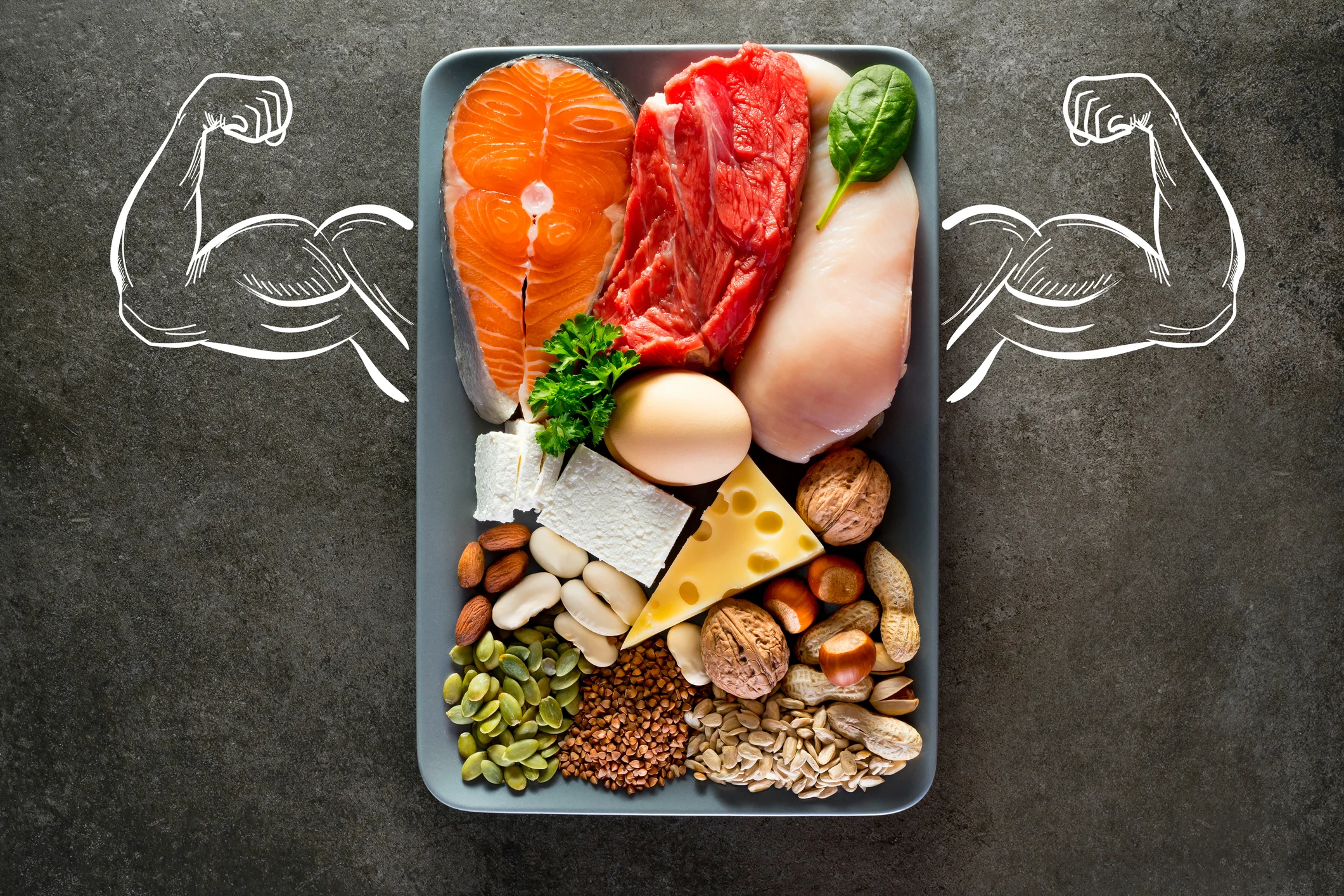
But there’s a difference between eating optimal protein and following an extreme high-protein diet. And contrary to popular belief, many low carb approaches, including Atkins 20, Atkins 40 and Atkins 100, are not necessarily “high-protein” plans at all. Instead, they often emphasize balanced protein intake alongside healthy fats, fiber-rich vegetables and quality carbohydrates.
Meanwhile, scientific research and evolving nutrition guidance are beginning to recognize what many low carb advocates have said for years: Most people benefit from eating more protein than the bare minimum recommendation.
Dietary Guidelines for Protein
One reason protein conversations become confusing is that people define “high protein” differently. For decades, the Recommended Dietary Allowance (RDA) for protein was 0.8 grams per kilogram of body weight per day, an amount designed primarily to prevent deficiency, not necessarily optimize metabolic health, muscle retention, healthy aging, satiety and body composition. In theory, anything more than the RDA may have been considered too much protein by nutritionists and registered dietitians.
The updated 2025-2030 Dietary Guidelines for Americans (DGAs) now recommends 1.2 to 1.6 grams of protein per kilogram of body weight per day, especially for older adults and anyone managing their weight or trying to preserve or build lean muscle mass. This range is often considered optimal for protein, not necessarily excessive—and was recommended by the protein experts who helped write the scientific documents supporting the DGAs
For example:
- A sedentary adult weighing 150 pounds may only consume about 55 grams of protein if targeting 0.8 grams per kilogram of body weight daily.
- With the updated recommendation in the DGAs, the same sedentary adult weighing may benefit from closer to 80 to 110 grams daily, which may help with weight maintenance.
- It should be noted that an athlete or bodybuilder intentionally trying to maximize muscle growth may need to consume substantially more.
Optimal Protein vs. “Protein Maxxing”
There’s also a difference between strategic protein intake and the extreme behaviors often associated with “high-protein” eating. True high-protein diets are typically associated with bodybuilding-style approaches, such as:
- Drinking multiple protein shakes daily
- Eating excessive amounts of meat at every meal
- Setting alarms to eat protein overnight
- Consuming 2 grams or more of protein per pound of body weight
- Prioritizing protein while neglecting overall diet quality
That’s very different from eating balanced meals containing:
- Eggs and vegetables at breakfast
- Grilled salmon over a salad at lunch
- Greek yogurt or cottage cheese as a snack
- Chicken, steak or tofu alongside non-starchy vegetables at dinner
Why Low-Carb Diets Are Often Mistaken for “High Protein”
Many people assume low carb diets are high in protein simply because carbohydrate intake is lower. Replacing refined carbohydrates with protein and fats does not automatically mean someone who is eating low carb is eating “high protein.”
For example, swapping sugary cereal or a donut for eggs and avocado, chips for cottage cheese and cucumbers or white bread sandwiches for grilled chicken salad may feel “high protein” compared to the Standard American Diet, but nutritionally, it represents a healthier and balanced way of eating.
In fact, a Frontiers in Nutrition nutrient analysis of Atkins 20, Atkins 40 and Atkins 100 found that the plans aligned with many measures of nutrient adequacy while providing varying carbohydrate levels tailored to individual needs. The analysis also highlighted that protein intake on the plans was often within ranges considered moderate to optimal, not necessarily excessive.
What Happens to “Extra” Protein?
Protein is the body’s most structurally important macronutrient. It provides amino acids needed for tissue repair, muscle protein synthesis, hormones, enzymes, neurotransmitters and energy.
Unlike carbohydrates and fats, protein is not your body’s preferred energy-storage nutrient. Converting protein into stored body fat is metabolically less efficient than storing excess dietary fat or refined carbohydrates. Protein also has a higher thermic effect of food (TEF), meaning your body burns more calories digesting and metabolizing protein compared to carbohydrates or fats.
Protein, Satiety and Metabolic Health
One reason optimal protein diets continue gaining attention is their effect on satiety. Protein influences multiple hormones involved in hunger and fullness. Higher-protein meals may help reduce cravings, improve fullness, stabilize your blood sugar, reduce snacking and support lean muscle during weight loss. Muscle tissue also plays a major role in metabolic health by regulating glucose uptake and insulin sensitivity.
This becomes especially important for:
- Adults over 40
- Women in perimenopause and menopause
- People using GLP-1 medications
- Individuals with insulin resistance or metabolic syndrome
The Role of Protein in Healthy Aging
Protein needs may increase with age. Research suggests older adults become less responsive to smaller doses of protein, a phenomenon known as “anabolic resistance.” That means aging adults may need more protein per meal to effectively stimulate muscle protein synthesis.
Maintaining lean muscle is associated with:
- Better metabolic health
- Improved mobility
- Reduced frailty risk
- Better glucose control
- Greater independence later in life
That’s why many experts now recommend spreading protein throughout the day rather than consuming very little at breakfast and most at dinner. A quick rule of thumb is to aim for 20 to 30 grams of protein per meal and 10 to 15 grams per snack. These numbers might change a little bit depending on your body weight and health goals.
What Does “Optimal Protein” Look Like?
For many adults, optimal protein likely means:
- Including protein at every meal, especially breakfast, which is where people seem to really struggle to get adequate protein
- Balancing protein with fiber-rich vegetables and healthy fats
- Adjusting intake based on age, activity level and metabolic goals
- Avoiding extremes or “protein maxxing” trends
- Excessive protein intake will typically also result in excessive calorie intake, which can be counter productive for those working to lose weight
Examples of high-quality protein foods include:
- Eggs
- Greek yogurt
- Cottage cheese
- Fish and seafood
- Chicken and turkey
- Lean beef
- Tofu and tempeh
- Whey or protein supplements when needed
Ultimately, understanding how much protein supports your metabolism, lifestyle and long-term health is key. For many people, what appears to be “high protein” may simply be a lower-carb, nutrient-dense way of eating that replaces refined carbohydrates with foods that promote satiety, stable energy and better metabolic health.

Colette Heimowitz, M.Sc.
Former Nutrition Advisor