Own Your Metabolism
How a Low-Carb, High-Protein, Fiber-Rich Lifestyle May Improve Metabolic Health

Did you know that you can alter your metabolism by manipulating your diet to shift the type of fuel your body burns?
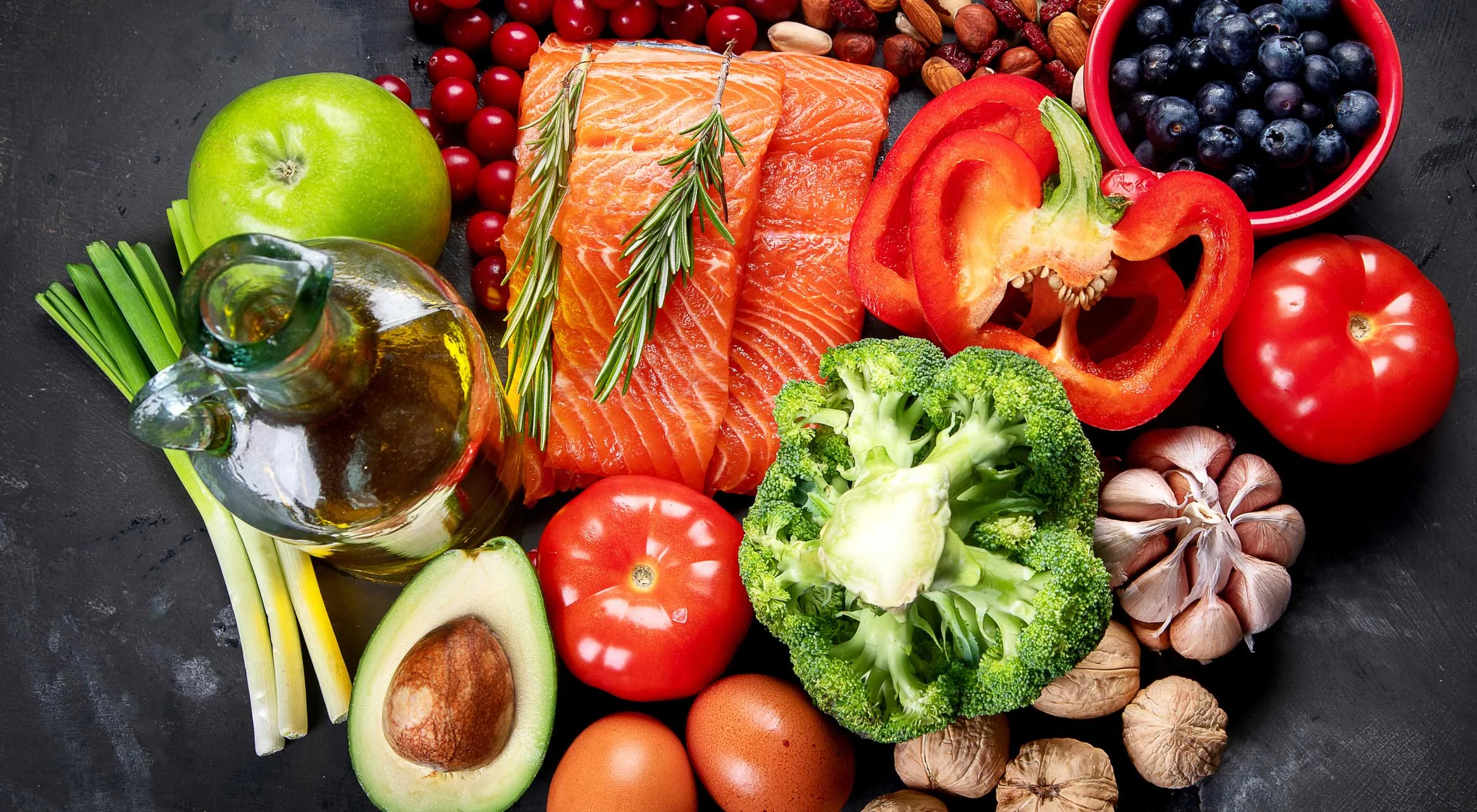
Metabolism 101: What Fuel Are You Burning?
Your metabolism is your body’s engine. It converts food into usable energy and decides whether you burn carbohydrates or fat as your primary fuel. A low carbohydrate diet promotes lowers insulin levels, stimulates an increase in fat burning, resulting in a lower respiratory quotient (RQ) and measurable ketone production (ketosis). This means your body shifts toward using fat for fuel. Clinical data from Virta Health’s multi-year studies show that in combination with weight loss these metabolic changes ketosis improves insulin sensitivity, stabilizes blood sugar and reverses key markers of metabolic syndrome. Together, greater fat burning and mild ketosis may improve your metabolism and overall metabolic health.
What Is RQ / RER?
Scientists measure fuel use with the respiratory quotient (RQ) or respiratory exchange ratio (RER):
- RQ ~1.0 → burning mostly carbohydrates
- RQ ~.85 → burning both carbohydrates and fat
- RQ ~0.7 → burning mostly fat
A 2019 randomized control trial published in the journal found that people following a low carbohydrate diet had significantly lower RER, meaning their bodies shifted toward burning fat for fuel instead of carbs. Importantly, people with higher RQ values (>0.91) had a threefold higher incidence of metabolic syndrome or diabetes within one year. Reducing carb intake is associated with decreased circulating insulin and blood sugar, facilitating a shift in metabolism and a lower RQ.
What Is Metabolic Health?
According to the Cleveland Clinic, NIH and Center for Disease Control (CDC), metabolic health means your body efficiently regulates (without using medications):
- Blood sugar
- Blood pressure
- Triglycerides
- High-density lipoprotein (HDL) cholesterol
- Waist circumference
- Energy storage and utilization
The CDC estimates 98 million U.S. adults now have prediabetes (2024 data), and ~38% of U.S. adults meet criteria for metabolic syndrome, which is a health condition that puts you at a higher risk for heart disease, diabetes and stroke. Other research shows that only 12% of Americans are considered metabolically healthy.
Low Carb’s Impact on Metabolic Health
A review of the literature, shows that people with metabolic syndrome respond favorably to carbohydrate restriction. In the study published in JCI Insight, 9 of 16 participants reversed their metabolic syndrome within 4 weeks, without losing weight. Similarly, another study found that people with higher RQ (lower fat burning) were far more likely to develop metabolic syndrome over time.
How a Low-Carb, Higher-Protein, Fiber-Rich Lifestyle Supports Metabolic Health
A low-carb pattern improves metabolic flexibility, which is your body’s ability to switch seamlessly from burning carbs for fuel and to burning fat for fuel.
1. Lower Insulin Levels Unlocks Stored Fat
Reducing carbohydrates lowers insulin levels, which allows the release of stored fat to use for fuel. Research also shows that blood levels of saturated fat may decrease despite higher saturated fat intake because fat burning increases.
2. More Protein Boosts Calorie Burn
Protein may raise your metabolic rate, or how quickly your body burns calories—partially through a process known as diet-induced thermogenesis—which is the heat and energy released during digestion. Plus, it helps you feel fuller for longer, reducing your chances of overeating.
3. Quality Carbs Are Key
Macronutrient composition (especially carb quality and quantity) helps you regulate your metabolism and supports improved metabolic health compared with high-glycemic and high-carb diets.
4. More Fiber Means Better Glucose Control + Gut Health
Soluble fiber slows sugar absorption and supports healthy gut bacteria; studies show it may improve insulin sensitivity.
5. Healthy Fats Provide Stable Fuel + Improved Lipids
Replacing refined carbohydrates with fats like olive oil, avocado or nuts improves triglycerides and increases large, buoyant LDL particles.
6. Slight Metabolic Advantage
Low carb diets modestly increase fat burning and total energy burn, a consistent finding across studies on metabolism. A controlled-feeding trial involving people on high, moderate or low carb diets who were trying to maintain their weight loss showed that the low carb diet increased their daily calorie burn by about 209 calories.
Metabolism-Enhancing Tips
Nutrition
- Aim for around 1.5 grams of protein per kilogram of body weight daily.
- Swap carbohydrates like white bread, white rice and pasta with quality carbs like non-starchy, high-fiber vegetables (broccoli, greens, cabbage) and whole grains.
- Focus on healthy fats (olive oil, avocado, nuts).
- Hit 25 to 38 grams of fiber daily (most Americans average only ~15 grams of fiber a day).
Movement
- Add resistance training two to three times a week to boost insulin sensitivity.
- Include daily cardio, such as walking at a zone-2 intensity for fat burning. Zone-2 intensity is working out at 60 to 70% of your heart rate maximum—think walking or running while holding a conversation.
Lifestyle
Prioritize 7 to 9 hours of sleep (insufficient sleep can cause insulin spikes). Manage stress (the stress hormone cortisol impacts glucose regulation).Stay hydrated; include electrolytes like magnesium and potassium.
Monitoring
Check every three to six months and communicate with your health care provider about:
- Fasting glucose
- HbA1c
- Triglyceride: HDL ratio
- Blood pressure
- Waist circumference
- (If possible) RQ/RER via metabolic testing
FAQs
Does a low carb diet increase calorie expenditure?
Yes! Controlled trials suggest there may be a small increase, about 100-200-calorie-a-day in energy expenditure when you reduce carbs.
Can metabolic health improve without weight loss?
Yes. Multiple trials show improvements in insulin, triglycerides and glucose independent of weight changes.
How much protein improves metabolism?
Around 1.5 grams per kilogram a day is optimal for thermogenesis, weight loss, satiety and lean mass.

Colette Heimowitz, M.Sc.
Former Nutrition Advisor