Low Carb and the New 2026 Dietary Guidelines: Why Science Is Finally Catching Up
The updated guidelines recognize low carb and optimal protein diets as evidence-based tools for better metabolic health.

A Step in the Right Direction—and What We’ve Been Saying All Along
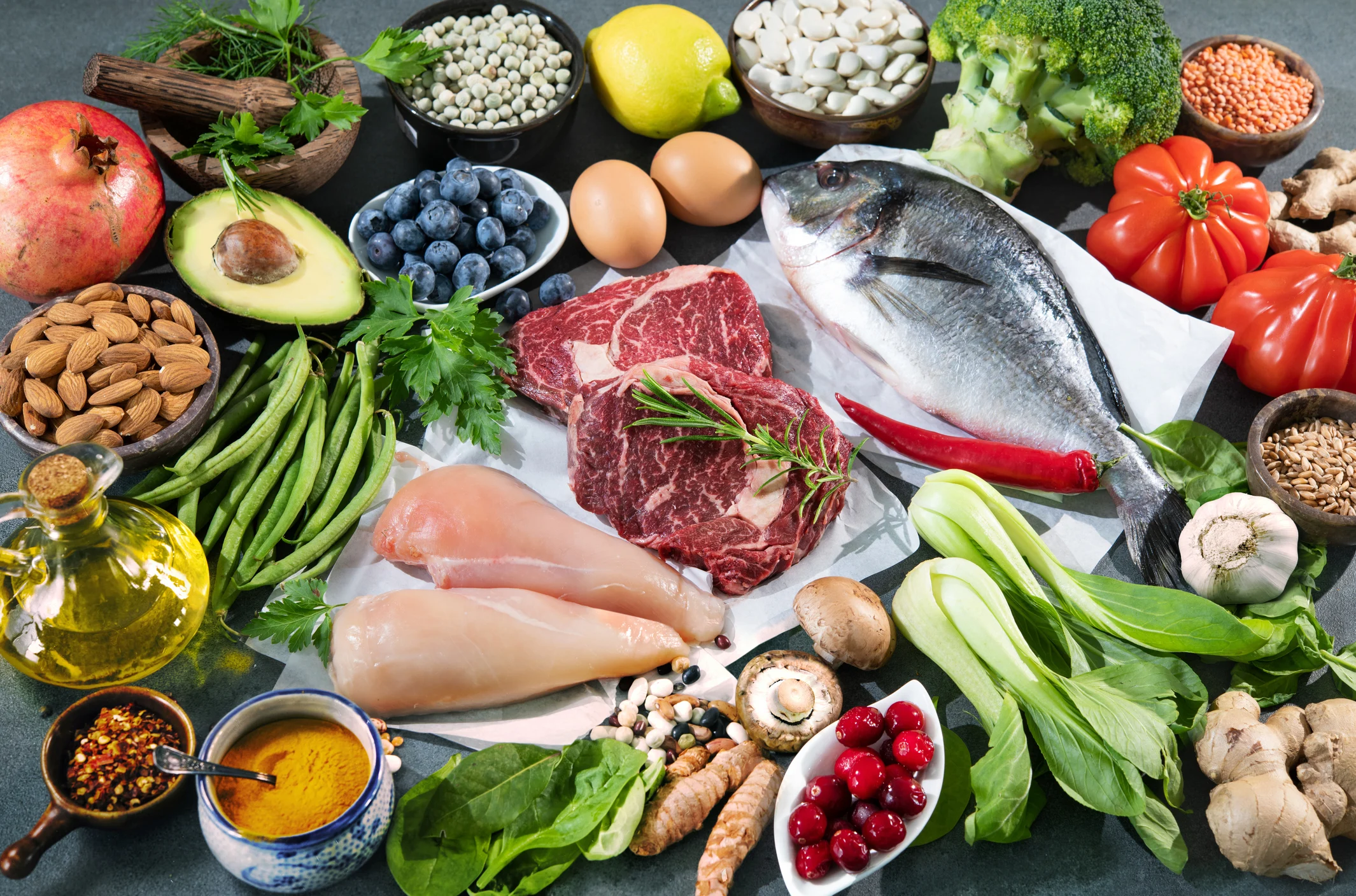
The 2025-2030 Dietary Guidelines for Americans (DGA) mark a pivotal moment in public nutrition policy. We’ve flipped the pyramid and placed many low carb high protein foods at the base of the pyramid. For the first time, the guidelines acknowledge the role of lower carbohydrate diets for managing certain chronic diseases. Overall, the updated DGA recommendation of whole, nutrient-dense foods coming from protein, dairy, vegetables, fruits, healthy fats and whole grains with a dramatic reduction in refined carbohydrates and added sugars is reflective of a low carb lifestyle.
A 2023 expert consensus published in The American Journal of Clinical Nutrition agrees that carbohydrate restriction offers “significant and sustainable benefits for individuals with insulin resistance and metabolic disease”.
This evolution reflects what decades of independent, peer-reviewed studies and Atkins have shown all along: Reducing refined carbohydrates and prioritizing protein and vegetables may lead to improved health outcomes. Given that most American adults are living with at least one diet-related chronic metabolic disease, this is a positive shift toward nutrition based on metabolic health.
The DGA also recommends home-cooked meals as options whenever possible, and Atkins’ collection of low carb recipes provides the resources and inspiration for home-cooked meals that align with this way of eating.
Protein: From Minimum Requirement to Optimal Intake
For decades, the DGA’s protein targets were based on the minimum needed to prevent deficiency, about 0.8 grams per kilogram of body weight. But as the new guidelines acknowledge, most adults need more to achieve optimal health outcomes.
The updated recommendation moves toward 1.2 to 1.6 grams of protein per kilogram of body weight per day, especially for older adults, those managing weight and anyone looking to preserve lean muscle mass.
This shift aligns with findings from a 2023 review in the Journal of the American College of Nutrition, which supports higher protein intakes for improved metabolic function, satiety and weight control.
Learn more: Protein Power: Why Getting Enough Protein Matters
Full-Fat Dairy and Healthy Fats Make a Comeback
The 2026 Guidelines move away from blanket recommendations for low-fat dairy, acknowledging evidence that full-fat dairy may have the potential to reduce the risk of cardiovascular disease.
Recent studies show that the type and source of saturated fat matter more than total intake, a nuance reflected in Atkins’ guidance and literature, as not all saturated fats are equal. Whole-food sources like yogurt, cheese and eggs may support cardiometabolic health when part of a balanced, low carb pattern.Research cited in The American Journal of Clinical Nutrition (2023) found that dairy-derived fats may be associated with a lower risk of metabolic syndrome compared to refined-carb diets, although more research is needed to explore this connection.
Cutting Back on Added Sugars and Refined Carbs
The new guidelines reinforce the importance of limiting added sugars and refined carbohydrates.
Foods to limit include:
- Sugary beverages and sweetened coffee drinks
- White bread, white pasta and white rice
- Snack foods made with refined grains and/or sugar (cookies, crackers, etc.)
Reducing these “empty carbs” may improve insulin sensitivity, gut microbiome health and energy balance, benefits repeatedly demonstrated in metabolic research supported by NIH and the other research agencies.
Microbiome Health: The Missing Link
The updated DGA also emphasizes gut health, another area where low carb, high-quality eating shines.
Fiber-rich, non-starchy vegetables, nuts and fermented foods (sauerkraut, kimchi and kefir, for example) play a role in promoting a diverse and resilient gut microbiome, which may support immunity and inflammation control.
Atkins’ Take: Science Has Caught Up
Atkins has been advocating for low carb, optimal-protein, nutrient dense foods since the 1970s, and the new DGA 2026 confirms what the data has long shown:
- Reducing refined carbs improves metabolic health.
- Prioritizing protein supports lean mass and satiety.
- Nutrient-density is crucial
Atkins continues to collaborate with researchers, clinicians and public health experts to ensure low-carb, science-backed nutrition remains central to the conversation, from the Hill opinion pieces to past advocacy efforts urging the USDA to include low carb options in federal guidance.
Your Takeaway: Low Carb Is Mainstream—and Backed by Policy
The 2026 Dietary Guidelines for Americans finally reflect what low carb science suggests:
- Cutting back on sugar and refined carbs may reduce the risk of chronic diseases.
- Lower carb diets have a valuable role in certain chronic diseases.
- Optimal protein intake may support long-term health.
- The benefits of full-fat dairy are numerous when following a low carb lifestyle.

Colette Heimowitz, M.Sc.
Former Nutrition Advisor