Keto and Atkins: The Science Behind Ketosis

The ketogenic diet has been called a fad, but its foundation is deeply rooted in human physiology and our evolution as a species. When you significantly reduce carbohydrate intake, as might happen during different seasons before modern agriculture, your body shifts from relying on glucose to using fat as its primary fuel source. This metabolic state, known as nutritional ketosis, reflects an adaptive system that has existed throughout human evolution.
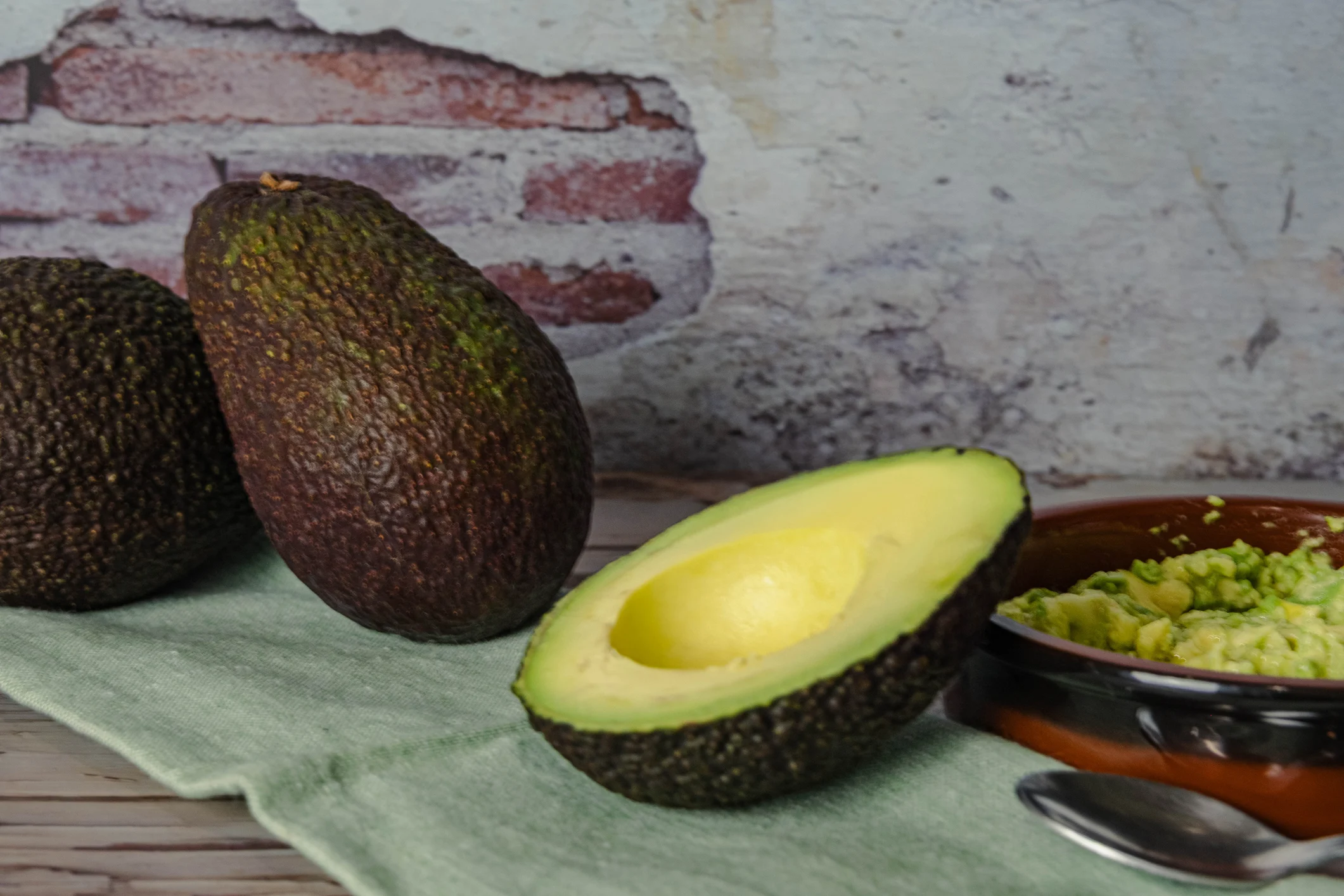
Atkins builds on this science, offering a structured, sustainable approach that helps you achieve ketosis, and more importantly, maintain metabolic benefits long term.
The Science of Ketosis
Under typical dietary conditions, your body breaks carbohydrates down into glucose (sugar) which is used by cells to generate energy. Your cells begin producing energy with glycolysis and, when oxygen is available, utilize the tricarboxylic acid (TCA) cycle. When carbohydrate intake drops, generally below 50 grams per day, glycogen stores become depleted and insulin levels decline. At this point, your body is forced to shift towards becoming heavily dependent on fat metabolism.
Production of Ketones
When fat metabolism is high and carbohydrates are in short supply, fatty acids are converted into ketone bodies through a process called ketogenesis in the liver. The three primary ketone bodies include:
- Beta-hydroxybutyrate (BHB)—the most abundant ketone and an efficient energy source
- Acetoacetate (AcAc)—the first ketone produced in the pathway
- Acetone—a byproduct, partially exhaled
These ketones circulate in your bloodstream and are used by your brain, muscles and other tissues as afuel source. They enter your cells and are used to produce energy, so your body can function without relying on sugar as fuel.
Keto-Adaptation: The Metabolic Shift That Changes Everything
When you sustain nutritional ketosis over several weeks, your body becomes increasingly efficient at using ketones. This process is known as keto-adaptation.
During this phase:
- Fat oxidation increases
- Glycolysis (glucose metabolism) decreases
- Insulin levels stabilize at lower levels
- Inflammation and oxidative stress markers may decline
Keto-adaptation reflects a deeper metabolic shift beyond simply “being in ketosis,” as your body is now optimized to run on fat and ketones as its primary fuels.
Fat-Adaptation vs. Keto-Adaptation
These terms are often used interchangeably, but they are not the same:
- Fat-adaptation: Occurs when carbohydrate intake does not meet carbohydrate demands, resulting in increased fat burning, often used in the context of athletics, but can apply to daily life as well.
- Keto-adaptation: Occurs with sustained nutritional ketosis and efficient ketone utilization, usually used in the context of daily-living
While all keto-adapted people are fat-adapted, not all fat-adapted people reach full keto-adaptation.
As highlighted in research and clinical models, this ability to shift fuel sources is an “elegant metabolic blueprint,” enabling your body to maintain energy balance and performance when carbohydrate intake is limited. This highlights that metabolic flexibility is a natural phenomenon that helps humans adjust to their environment.
Health Benefits of Keto and Metabolic Impact
When done right, a ketogenic approach may support more than just weight loss. A strong body of research suggests it may support healthy blood sugar, reduce and manage hunger and improve metabolic health, including markers linked to type-2 diabetes, weight and cardiovascular risk:
Metabolic Syndrome and Type-2 Diabetes
- Low carb, ketogenic approaches reduce insulin demand and improve glycemic control
- Studies show improvements in HbA1c, fasting glucose and insulin sensitivity
- Some individuals reduce or eliminate medications under medical supervision
Weight Loss and Appetite Control
- Ketones and optimal protein intake help regulate hunger hormones
- Many people report reduced cravings and sustained energy
Cardiometabolic Health
- Decreases in triglycerides and improvements in HDL levels
- Reduction in visceral fat, a key driver of metabolic disease
Real-World Evidence
In a survey of over 1,500 people following a low carb lifestyle for more than a year:
- Participants lost weight and reduced waist circumference
- Reported decreased hunger and increased energy
- Saw improvements in blood glucose and lipid markers
- Reduced medication use, with average monthly savings of ~$288
Together, these findings support ketogenic and low carb approaches as viable, sustainable strategies for improving your metabolic health.
Why Atkins Is a Flexible Ketogenic Approach
Atkins begins as a ketogenic program but evolves into a personalized low carb lifestyle.
Keto and Atkins: The Science Behind Ketosis
- Atkins Kickstart: Lowers Net Carbs to ~20g/day to initiate ketosis
- Atkins Flex: Introduces more flexibility while maintaining fat-burning benefits
- Just the Right Amount of Atkins: Supports long-term maintenance with a moderate carb intake
Unlike strict keto, Atkins recognizes that metabolic needs are not static. It provides a roadmap to help you transition out of deep ketosis without losing progress.
Net Carbs vs. Blood Ketones
Many ketogenic approaches emphasize measuring blood ketones to confirm ketosis. While useful in clinical settings, this level of tracking isn’t necessary for most people. Atkins simplifies the process by focusing on Net Carbs:
Net Carbs = Total Carbs – Fiber – Sugar Alcohols
Why this works:
- Fiber has minimal impact on your blood glucose and insulin
- Encourages intake of nutrient-dense vegetables
- Eliminates the need for constant ketone monitoring
Rather than chasing a specific ketone level, Atkins focuses on results that matter, including weight management, energy stability and metabolic improvements.
Foods That Encourage Ketosis
To support ketosis, the diet emphasizes:
Healthy Fats (Primary Fuel Source)
- Avocados and avocado oil
- Olive oil
- Nuts and seeds
- Butter and full-fat dairy
Moderate Protein
- Eggs
- Poultry, beef, pork
- Fish and seafood
Low Carb Vegetables (Atkins’ Foundation Vegetables)
- Leafy greens
- Broccoli, cauliflower
- Zucchini, asparagus
These foods provide essential nutrients while keeping Net Carbs low enough to maintain your fat-burning metabolism.
Learn more: Keto-Friendly Vegetables
Foods That Can Disrupt Ketosis
Certain dietary patterns can quickly shift your body out of ketosis:
High-Carbohydrate Foods
- Bread, pasta, rice
- Sugary snacks and beverages
Hidden Sugars
- Sauces, dressings, packaged foods
Excess Protein
There can be too much of a good thing. While protein is essential, excessive intake can increase gluconeogenesis, where protein is converted into glucose. This may reduce ketone production in some people.
Balance, not elimination, is key.
Learn more: Foods to Avoid on Keto
What Happens After Keto? The Atkins Advantage
Research and real-world experience show that many people begin reintroducing carbohydrates after about six to eight weeks on a ketogenic diet. However, without a structured plan, this transition can lead to weight regain or metabolic setbacks.
Atkins addresses this with a personalized reintroduction process:
- Gradually increase your Net Carbs in controlled increments
- Monitor how your body responds (energy, hunger, weight)
- Identify your personal carb tolerance
For many people, this results in a sustainable intake of 50 to 100 grams of Net Carbs per day, supporting your metabolic health without the rigidity of strict keto.
Keto: Not Just a Trend
Keto is not just a diet trend; it’s a powerful metabolic state supported by decades of research. From ketone production to keto-adaptation, the science shows that your body is highly capable of thriving on fat as a primary fuel.
Atkins harnesses this science but goes further. By focusing on Net Carbs instead of ketone testing, emphasizing nutrient-dense foods, and guiding you through a structured transition back to a personalized carb intake, Atkins transforms keto from a short-term intervention into a long-term lifestyle.
Because success isn’t just about getting into ketosis, it’s about knowing how to sustain the benefits for life.

Colette Heimowitz, M.Sc.
Former Nutrition Advisor