Do You Actually Know How Much You're Eating?
The Truth About Guesstimating Food Intake

Have you ever felt like you’re doing everything right, and still the scale isn’t going in the right direction or you still struggling to hit your non-scale goals? Well, its possible that you’re dealing with a common issue, and that is that many people underestimate how much they’re eating.
You’re not intentionally lying to yourself; it just turns out it’s far too easy to underestimate. In a study published in The New England Journal of Medicine, researchers compared what people said they ate with what they actually ate. The gap was eye-opening: participants underreported their calorie intake by 31 to 63 percent, essentially half of what they consumed.
Tracking Isn’t Convenient But It’s Helpful - The Truth About Tracking
A 2024 University of Florida study found that people who self-monitored their food at least three days a week had a better chance of maintaining their weight, with even greater benefit at five to six days a week. The lesson: you don’t need to track every single day, but staying consistent, even a few days a week, is part of a solid weight-maintenance strategy. This removes a little bit of the burden of tracking and makes it much easier.
Your AI App Might Be Wrong, Too, Especially for Low Carb
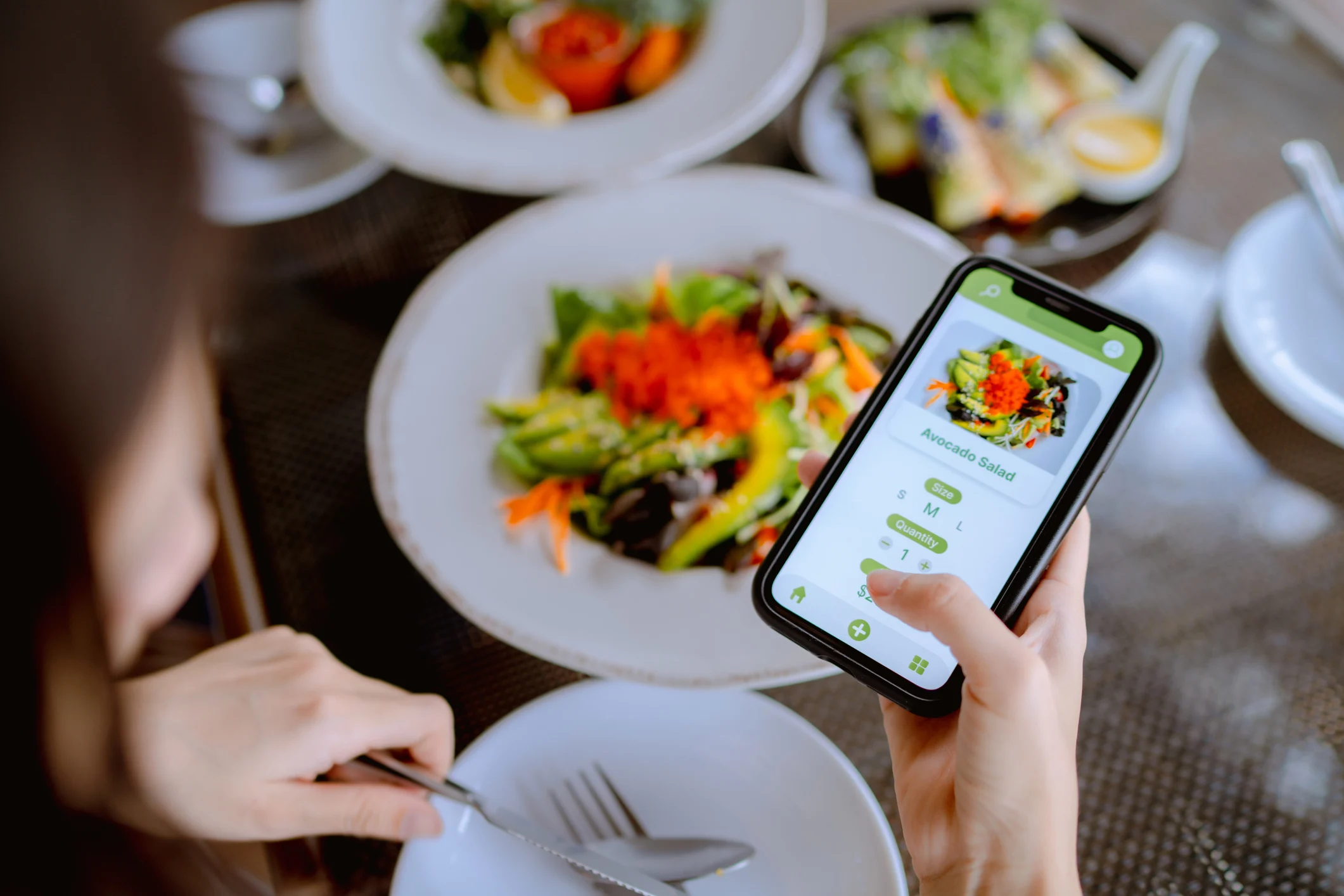
If you’ve switched to a photo-based tracking app hoping AI would handle the guesswork for you, there’s a challenge. Researchers at the National Institutes of Health photographed more than 100 meals prepared in a tightly controlled metabolic kitchen, where every ingredient was precisely weighed, then they ran the photos through four popular apps. Across the board, the apps underestimated calories by roughly 250 to 345 per meal, about a third of what was on the plate, and underestimated fat by about 30 grams. The apps were better at estimating carbs than fat or protein, and their accuracy was worse with higher-fat meals, which matters if you’re eating low carb or keto, as your plate likely has more fat than the app is calibrated to expect. These findings are still preliminary and were presented at NUTRITION 2026, the annual meeting for the American Society of Nutrition, but they’re a useful reality check either way, and a reminder that the scan-and-go convenience comes with tradeoffs.
How to Make Tracking Work for You Anyway
Knowing tracking may not be entirely accurate does not mean you should ditch your photo-based apps, but just combine them with some traditional methods for evaluating your food intake and diet quality:
- A kitchen scale and a carb counter. Even if you use them occasionally, they can help give you a sense of what a real portion looks like more than eyeballing alone.
- A simple food journal. Jotting down what you ate and how you felt an hour later, whether that was energized, sluggish or still hungry, adds context that a picture of your food won’t capture.
- When you do eyeball a plate, have a system. Fill half your plate with non-starchy vegetables and make your protein about the size of your palm. If you are choosing carbs other than non-starchy vegetables, keep your carb portion to roughly the size of your closed fist or less. When possible, prioritize carb quality, as a portion of white rice can have effect on your blood sugar and energy levels than whole grains like barley.
4 Tracking Hacks to Beat Burnout
If precise logging burns you out, these lighter approaches help keep your focus on accuracy:
- Track habits, not numbers. Swap detailed calorie and macro logging for simple checkboxes, like hitting your water goal, getting three servings of vegetables or logging protein.
- Try a “weekends only” or monthly audit approach. If your weekday routine is solid, track more closely on weekends or eating-out days when carbs and calories tend to sneak in, or run a three-day audit once a month to renew your portion awareness and regain control of carb creep.
- Use a photo journal instead of a macro count. Snapping a picture of each meal and scanning the week’s photos for patterns takes a fraction of the effort of logging every gram, and it’s often enough to catch a portion or pattern that’s crept up on you.
- Celebrate non-scale victories. Your workouts, energy levels, sleep quality, a monthly waist measurement and how your clothes fit can all signal real progress (or regain) even when your food log isn’t perfectly precise.
Successful Tracking Starts During Weight Loss
In a study that followed adults with prediabetes and diabetes in a diabetes prevention and management program for 12 months, those who tracked their food five days a week lost more weight (and maintained that weight loss) over time than those who tracked fewer days or inconsistently. The participants who kept it up also gained less weight over the holidays.
To Track or Not to Track?
Tracking still works, and the research on regain (and weight loss) makes a strong case for including tracking in your maintenance toolkit. Just don’t rely on the numbers alone. Between self-report overestimation and app inaccuracy, learning to be aware of the potential shortfalls, paired with a few analog checks, may serve you better long-term.

Jon Clinthorne, PhD
Sr. Director of Nutrition