
The Program: Phase 2

Supporting You During This Phase

By popular request, here are the answers to common questions about Phases 2 and 3, where most people lose the majority of their excess weight.

Why has my weight loss plateaued?

Different people respond to Atkins low-carb diet differently. Some people lose weight consistently; others do so in fits and starts. Review the course for the phase you're in to ensure you're doing everything right. If you're still in the first few weeks or months with lots of weight to lose, you may have increased your daily carb intake too quickly. Drop back by 5 grams and, after a week, another five, if necessary.

Are your weight loss expectations realistic? If you're in Pre-Maintenance, you may have reached your body's natural weight.

Another possibility is that you've exceeded your personal carb balance or Carbohydrate Level for Losing (CLL) and prematurely stumbled upon your Atkins Carbohydrate Equilibrium (ACE), where weight stabilizes. In this case, you'll need to reduce your carb intake by 10 daily grams (or possibly more) of Net Carbs to reignite weight loss.

If none of the above applies, remember that a true plateau is the loss of no pounds and no inches for at least four weeks, despite the following Atkins low-carb diet to the letter. Refer to Lesson 2 of the Phase 2 course for specifics on how to break a plateau. Keep doing everything right and be patient. We promise that weight loss eventually resumes.

What do I do if I slip up or even fall off the wagon?

First, don't feel guilty or get discouraged. Remember that a misstep is not failure—it's an opportunity to recommit to the program. Analyze why you slipped up and how you'll deal with a similar situation in the future.


Problem: You ate unacceptable foods at a social gathering. Solution: Next time, have a low-carb snack before you go to mute your appetite. The Atkins community forums offer lots of tips about dining in restaurants.

Problem: You had nothing suitable to eat and made a poor choice. Solution: Always have the right foods on hand.

Problem: You "treated" yourself because you felt down. Solution: Have an Atkins buddy to call in moments of weakness.

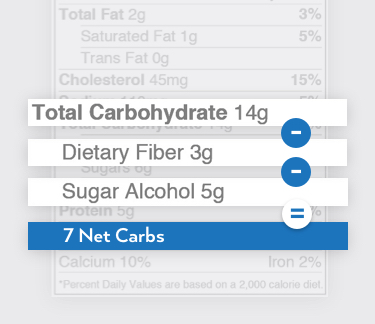
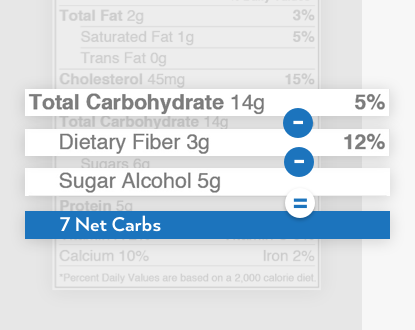
Problem: You mistakenly assumed certain foods were low in carbs. Solution: Always check the Carb Counter (see Resources) or Nutritional Facts panel to determine the Net Carb count.

Problem: You ignored hunger cues or skipped a meal, got ravenous and gorged. Solution: Eat regularly and learn to listen to your body.

Whatever the reason, get right back on the wagon. If you've had one bad day carb-wise, simply eat properly the next day—and subsequent days. If you've been completely out of control for more than a few days, you may need to return to Induction for a week or two until you get your appetite and cravings under control.

Why do I binge and how can I stop it?

Almost everyone has one or more trigger foods. Unlike hours after a high-carb meal, when you find yourself craving more carbs, a trigger food produces a more immediate reaction. Eat one pretzel, scoop of ice cream or another high-carb food, and you simply can't stop there. If possible, you might simply banish the offending food from the house.

But until you deal with the underlying reason for this uncontrollable reaction, you haven't really resolved the issue. In many cases, trigger foods are associated with past experiences. Perhaps pistachio ice cream reminds you of eating at a certain restaurant as a child. The first step to taking control is to understand why certain foods exert power over you.

To combat bingeing, also be sure to eat enough fat and protein, the twin keys to appetite control, and don't eat too many carbohydrates. If you're at or just below your carb tolerance level, you should be in control of your appetite, even several hours after eating. But if you're above your carb threshold, feeling empty always triggers hunger.

If you experience bingeing, reduce your daily carb intake until the urge to binge goes away, and follow these tips:

  Never shop for food when you're hungry.

  Don't wait until you're famished to eat.

  Don't buy food to eat in the car.

  Don't nosh in front of the television or at a theater when you may lose track of how much you're eating.

  Always have suitable snacks on hand.

Why have I suddenly regained lost weight?

A typical adult's body contains about 40 quarts of water, but it can safely range between 39 and 41 quarts. Since each quart weighs two pounds, your body weight randomly varies across a four-pound "gray zone." Thirst and kidney function only kick in when you get to the top or bottom of this zone.

Cutting carbs to less than 50 grams per day clears a few pounds of extra water, but that just pushes your four-pound zone of natural variance that much lower, without narrowing the range. Add to this the two to five pounds of water that premenstrual women typically retain, and you'll see why the scale cannot possibly be that precise in measuring progress when you're losing, say, three pounds of fat a week.

If your period is approaching and you're following the program carefully, that probably accounts for your sudden weight gain or a stall in your weight loss. Don't worry. Stick with the plan and when your period ends, you'll see the numbers on the scale change.

What low-carb products can I eat in OWL and beyond?

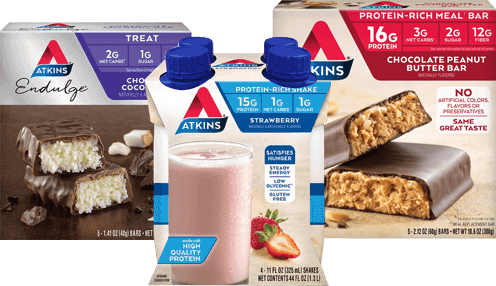
We can only vouch for the quality of Atkins products. Different sweeteners and other ingredients may produce gastric distress, tempt you to overeat or reawaken cravings you thought you'd put to rest. In addition to the low-carb shakes and nutrition bars you can eat in Induction, there are many other low-carb products suitable for later phases.

The following product categories include the maximum acceptable carb count per serving:

  7-inch low-carb tortilla: 4 g Net Carbs
  1 slice low-carb bread: 6 g Net Carbs
  6-inch low-carb pita: 4 g Net Carbs
  1 low-carb bagel: 5 g Net Carbs
  1 low-carb roll: 4 g Net Carbs
  1/3 cup low-carb baking mix: 5 g Net Carbs
  8 oz low-carb dairy drink: 4 g Net Carbs
  4 low-carb pancake (from mix): 3 g Net Carbs
  6 oz Low-carb yogurt: 4 g Net Carbs
  1 oz low-carb soy chips: 5 g Net Carbs
  1.2 oz low-carb chocolate/candy: 3 g Net Carbs
  1/2 cup no-added sugar ice cream: 4 g Net Carbs

Always read the Nutrition Facts Panel and list of ingredients before purchasing any product. Don't delude yourself that you can eat large quantities of a certain food just because it's low in carbs. Try products one at a time to make sure they agree with you and don't cause cravings.

Why has my cholesterol gone up?

First, make sure that your cholesterol has actually risen. Unless you had baseline tests done before you began Atkins, as we recommend, you may not have known you already had high cholesterol. If it actually is higher, ask yourself whether you've been overdoing the carbs. It's fine to consume plenty of healthy natural fats as long as you're restricting carbs--but not if you aren't.

Second, when a person loses weight, total cholesterol usually rises because the body must break down stored fat for energy. Within two months, your total cholesterol level should drop. That's why we suggest you wait at least three months after starting Atkins before re-testing.

Numerous studies have shown that risk factors such as low HDL cholesterol levels and high triglycerides consistently show improvement on a low-carb diet. If your HDL ("good") cholesterol has increased, a temporary rise in total cholesterol could be a good thing. Also, cholesterol rises in some people when triglycerides drop significantly. If that drop is greater than the LDL increase, your overall profile may be improved.

While you absorb some cholesterol from eating animal products, your own liver makes the vast majority of the cholesterol in your body, independent of how much cholesterol you eat. So, yes, the amount of dietary cholesterol influences your cholesterol levels somewhat, but so does your genetic predisposition, and most importantly, the mix of other nutrients you eat.

Why is my husband losing more weight than me?

Men typically lose weight faster than women because more muscle mass and less estrogen means they generally have a higher metabolism. Certain medications, activity level, hormonal status, genetics and age also influence weight loss.

Don't compare your progress with others or be overly concerned with short-term results. Also, make sure your weight loss expectations are realistic. Success on Atkins is measured by more than just the scale. Ask yourself:

Are you experiencing more energy and vitality throughout the day?

  Are your clothes fitting better?

  Have you lost inches?

  Have between-meal cravings and hunger diminished?

Most of all, stick with the program and focus on your own goals, rather than comparing yourself to your spouse or anyone else. Atkins is about weight loss and health; it's not a race and it's not just about losing pounds.

I’ve lost my extra weight. When can I quit?

By the time you've attained your goal weight in Pre-Maintenance, you've reached a critical phase of Atkins: You're in training for the way you'll eat for the rest of your life. If you "quit" Atkins and go back to your old high-carb way of eating, you'll almost certainly fall into the yo-yo dieting trap that ensnares so many people who see a diet as a short-term solution.

On the other hand, if you use Pre-Maintenance as it's designed to be used, it will help you transition from the stricter earlier Atkins periods to a more liberal, but still healthful, way of eating for a lifetime.

So if you've lost all the weight you were aiming for, remain in this phase until your new weight has been stable for a month. This will allow you to find your personal carb balance or Atkins Carbohydrate Equilibrium (ACE), which is the number of grams of Net Carbs you can consume while neither gaining nor losing weight.

Next, move on to Lifetime Maintenance, remaining at or just under your ACE. Along the way you'll develop a style of eating that will keep you slim and feeling vigorous for life.

book.png
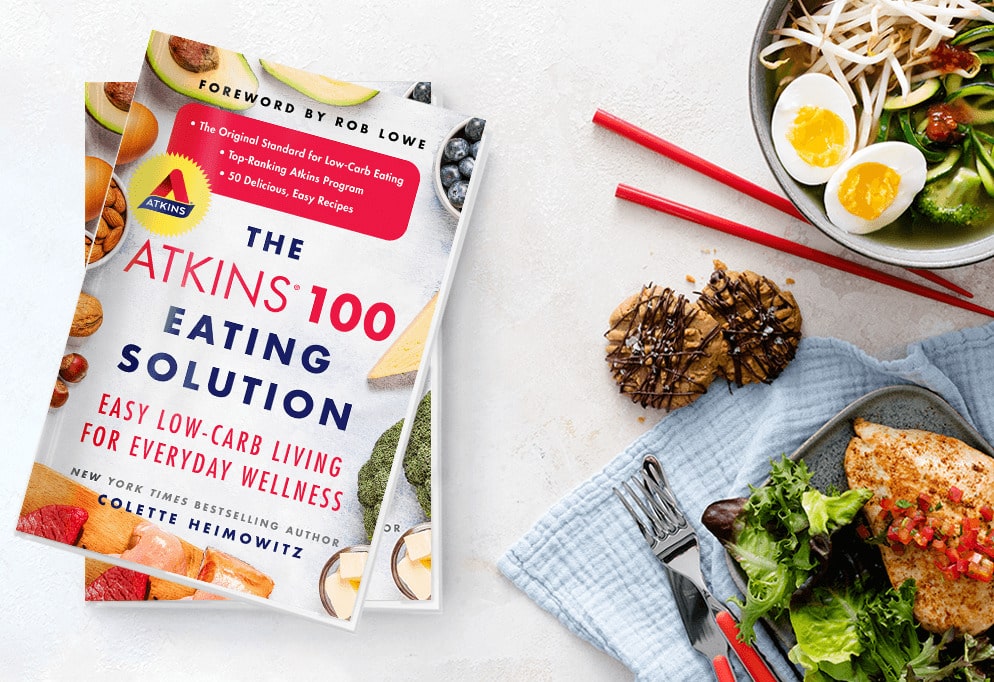
  • With The New Atkins for a New You Cookbook: 200 Simple and Delicious Low-Carb Recipes in 30 Minutes or Less, eating the Atkins way becomes even simpler
  • Preview the Cookbook: Click Here.
Disclaimer: Nothing contained on this Site is intended to provide health care advice. Should you have any health care-related questions, please call or see your physician or other health care provider. Consult your physician or health care provider before beginning the Atkins Diet as you would any other weight loss or weight maintenance program. The weight loss phases of the Atkins Diet should not be used by persons on dialysis or by pregnant or nursing women.
Google Analytics Alternative